2026
PetaBite — room-temperature PET-degrading enzymes mined from the Logan petabase index
Full writeup
The 2026 wiki
01From the iGEM Video Universe
Watch
Project Promotion
PetaBite: Accelerating the Discovery of Scalable Plastic-Degrading Enzymes — Project Promotion
Team Presentation
PetaBite: Mapping Earth's Biodiversity to Discover Room-Temperature Plastic-Degrading Enzymes — Team Presentation
02Hosted by iGEM Toronto
UofT Microplastics Conference
19 September 2026 · Bahen Centre for Information Technology, University of Toronto
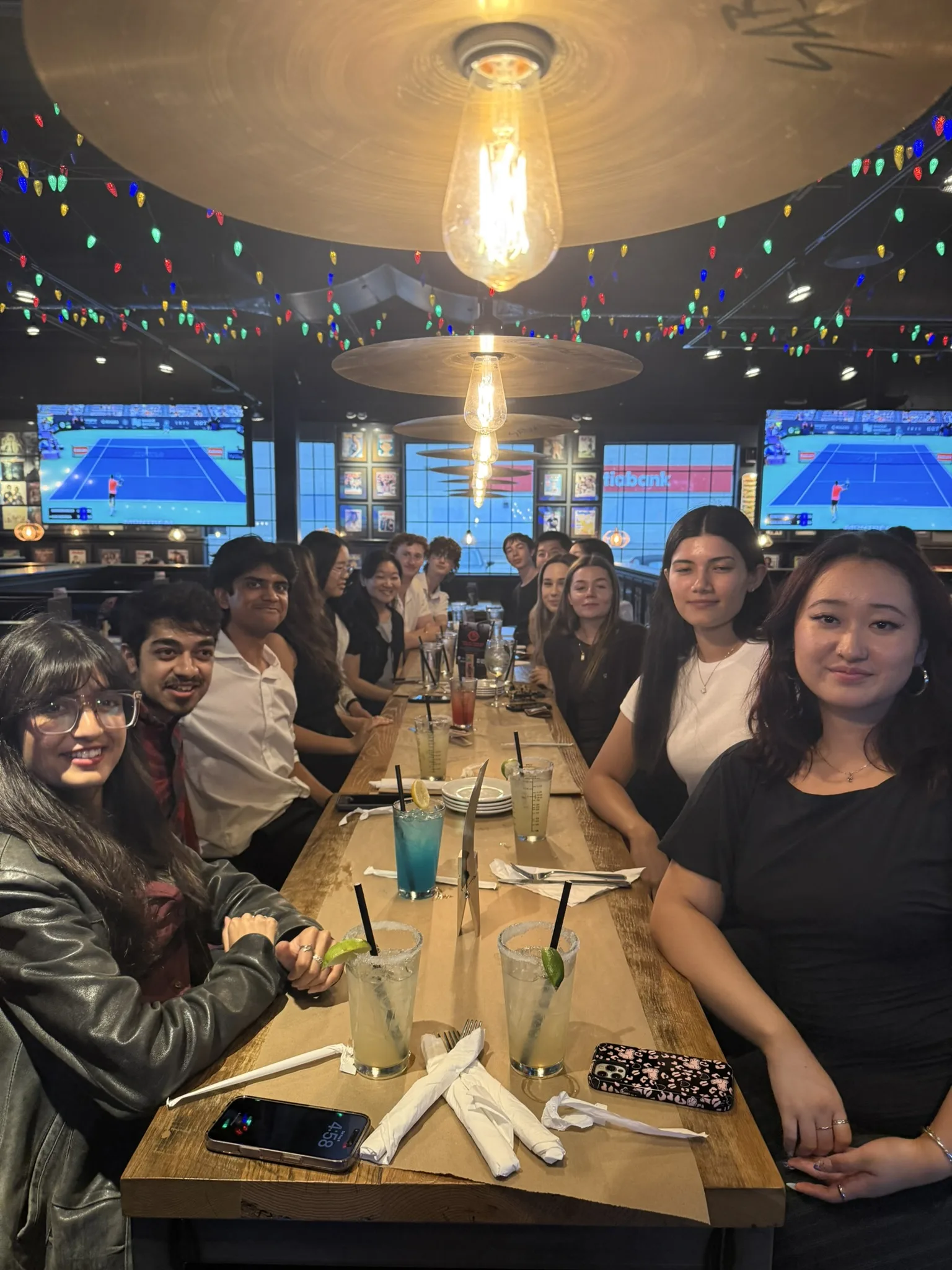
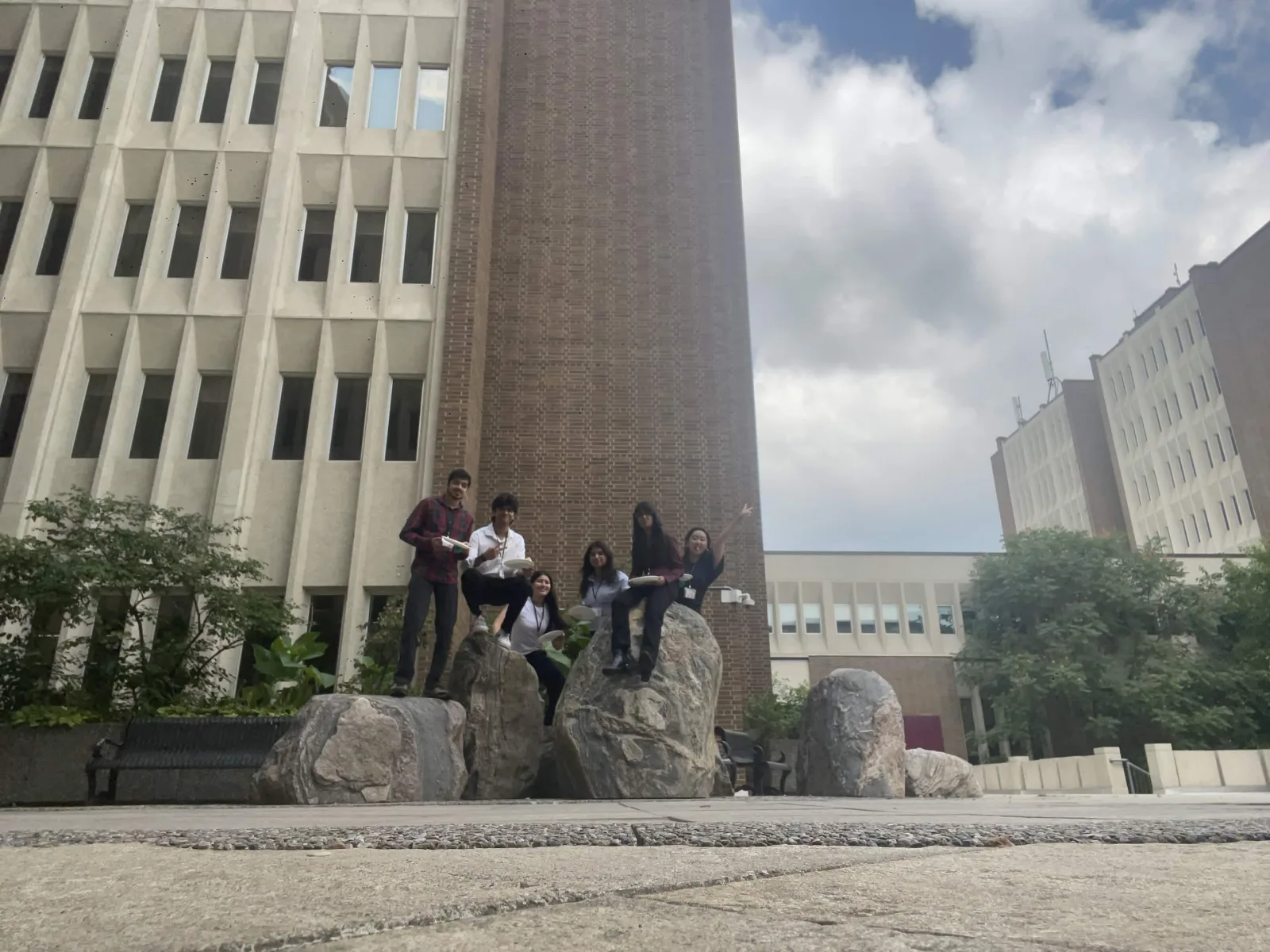
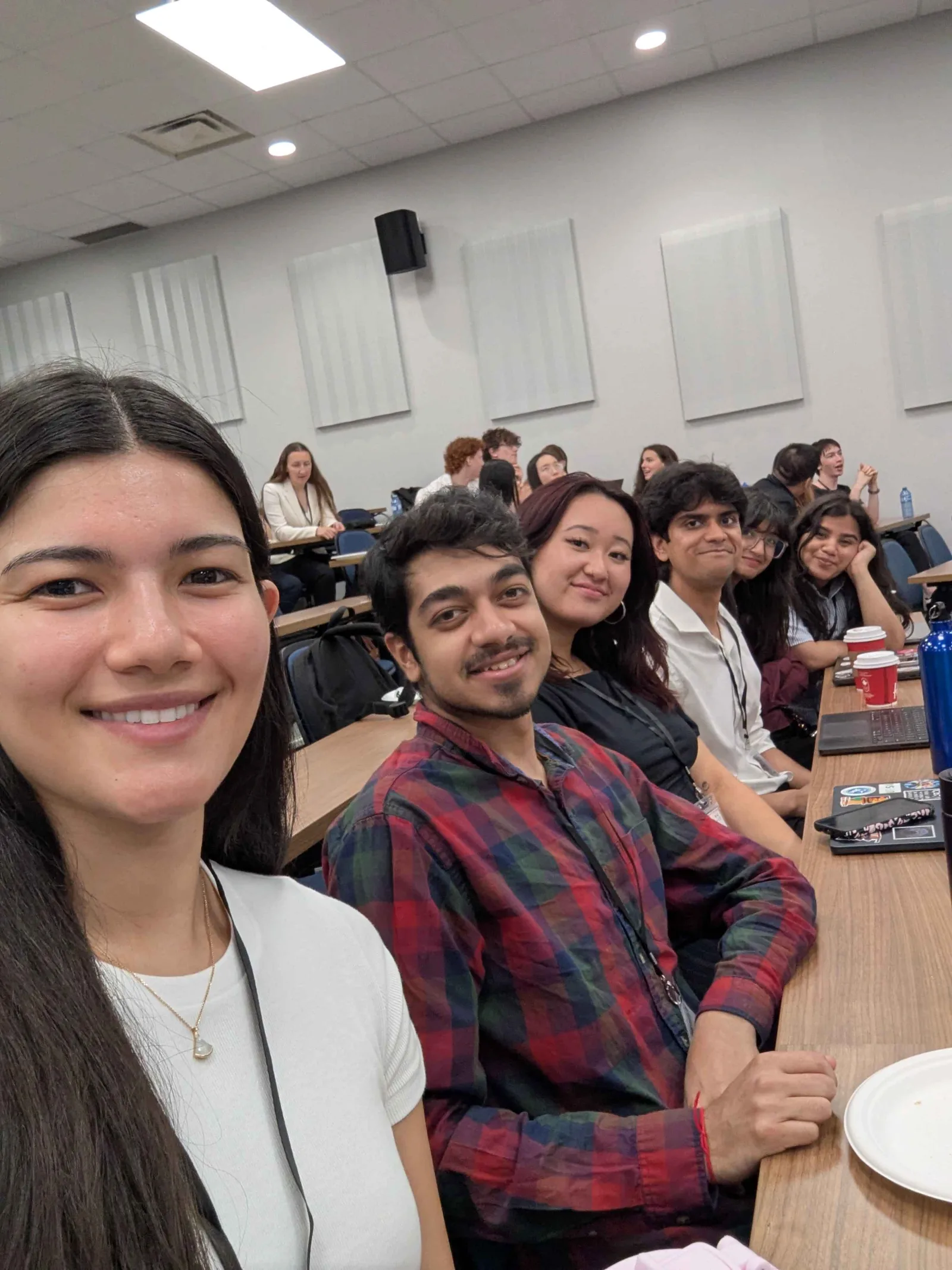
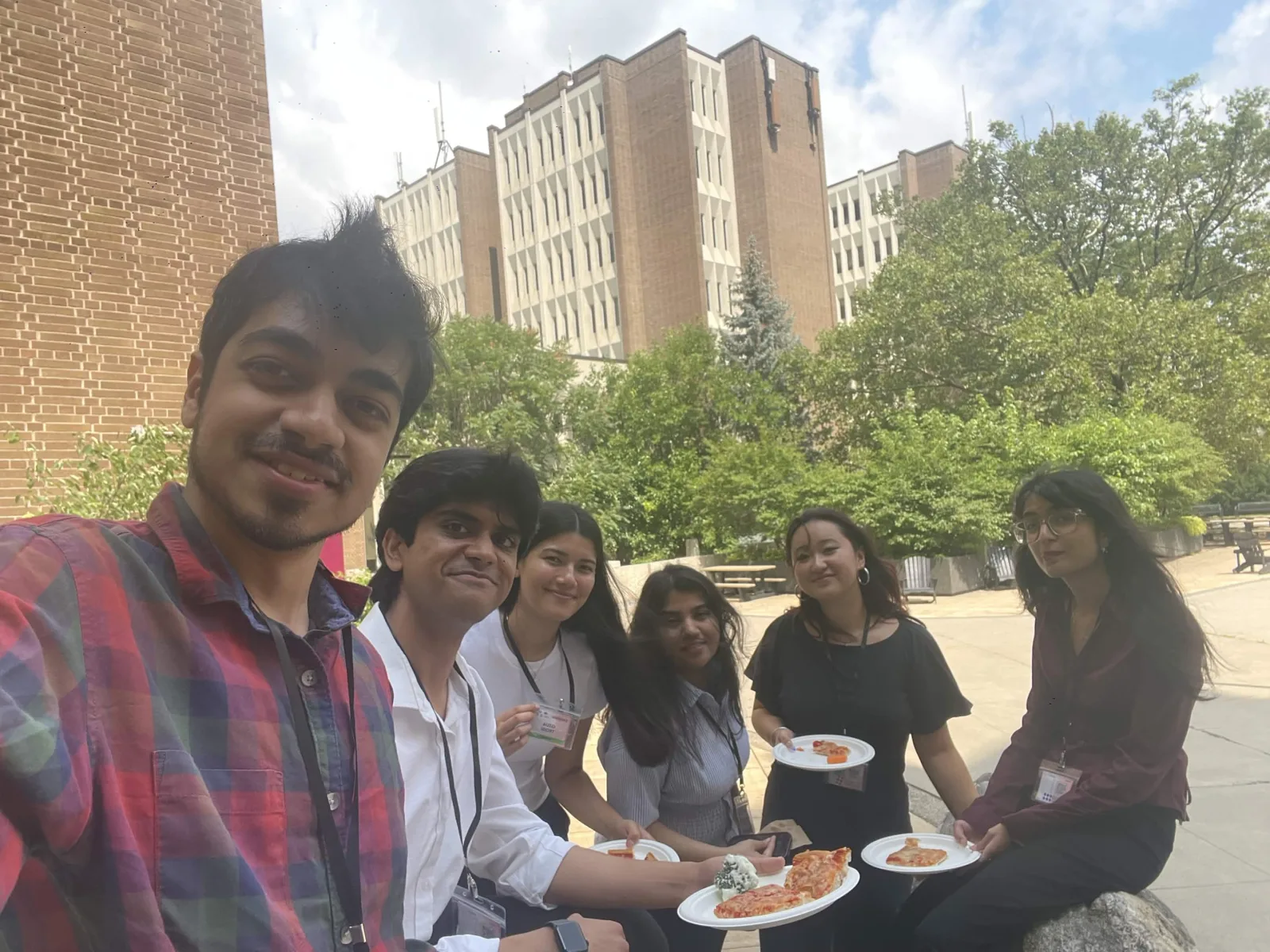
A free one-day conference on microplastics and plastic pollution, organised by iGEM Toronto in close collaboration with the U of T Trash Team. The day ran a keynote on microplastic pollution, research talks on environmental and health effects, a student poster session, the team's own PetaBite talk, and a closing panel on regulation.
03What happened
The year
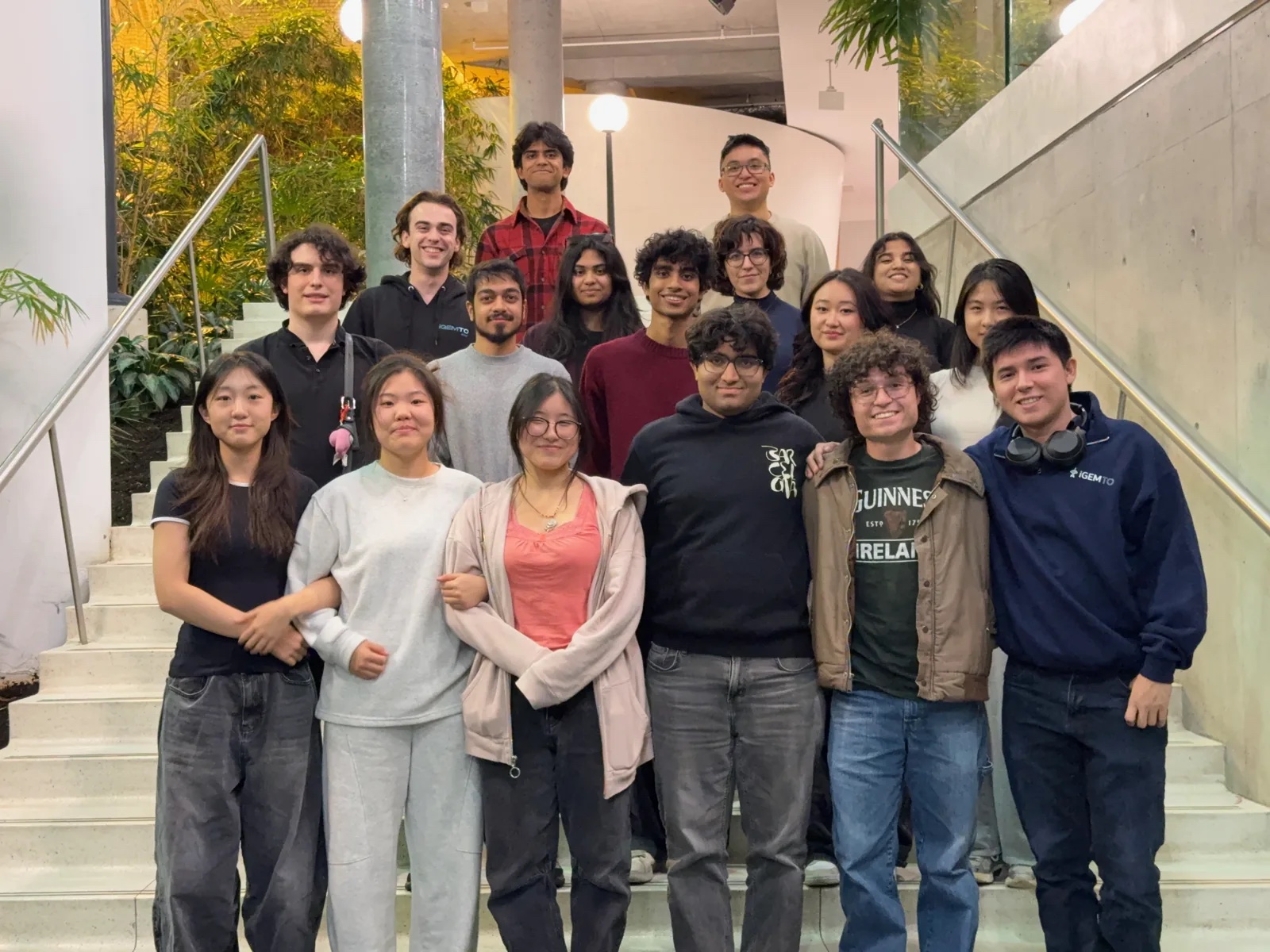
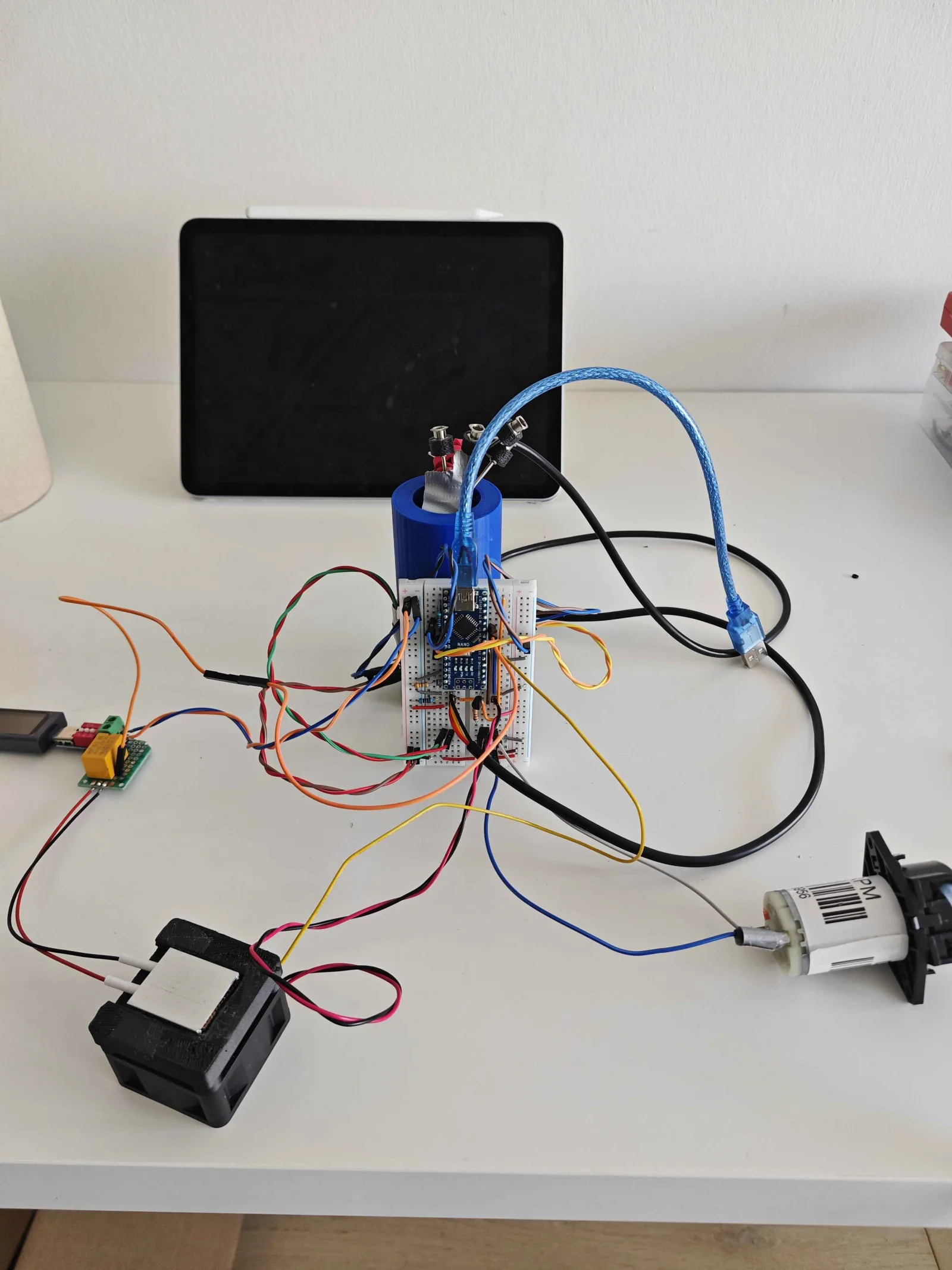
PetaBite reversed the usual order of enzyme engineering: discover first, optimise second. Dry Lab searched the Logan index, an assembly of 27.3 million public sequencing datasets, and built PETadex, a catalogue of 307 million putative plastic-degrading enzyme sequences, then trained a protein language model on it to rank candidates and designed a 2,116-variant synthesis library. Wet Lab built two copper-release assays in E. coli, a fluorescent biosensor and an antibiotic selection, so PET degradation can be read out at scale, and Hardware built an open-source Arduino bioreactor for about $204 per unit. Human Practices spoke with roughly 70 stakeholders across four continents and co-organised the University of Toronto Microplastics Conference, while the venture team placed top three in six competitions. With 66 members it is the second-largest team the chapter has fielded.
Current season. The wiki is complete; the team presents at the Grand Jamboree in Paris, 13 to 16 November 2026.
04Results
Awards
No awards are recorded for this year. See the note on the left for why that may be a gap in the record rather than a result.